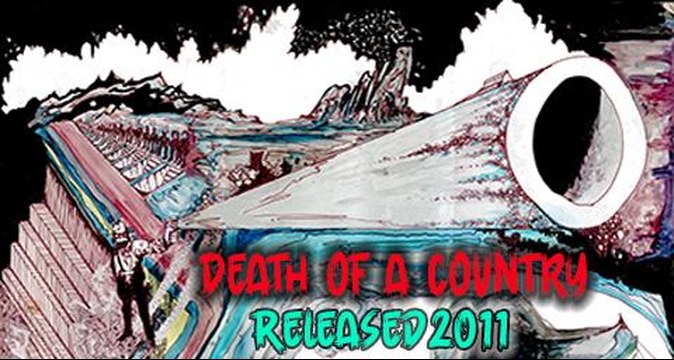
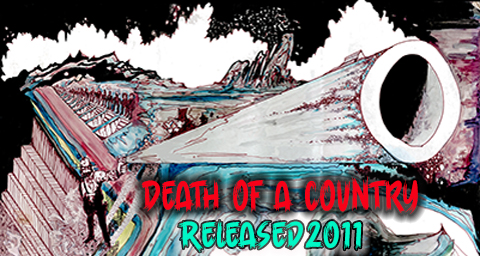
Death Of A Country CD
Recorded 1971 · Released 2011
The concept album Capitol wouldn’t release. Eighteen months of basement writing, cut at Criteria Studios in 28 hours.

Looking back…
Three albums on Capitol Records, 1971–73. A Philadelphia power trio that was heavy before the word “metal” had a home, and finally gets its due.
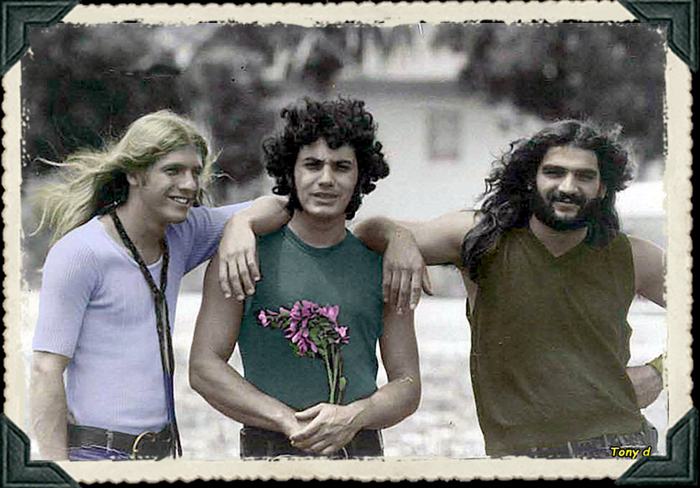
Two teenage dropouts, one drummer with three kids, a day job, and a Vista Cruiser full of gear. Here is the run from Philadelphia to Capitol Tower and back.
It's two weeks after Woodstock. Frankie Gilcken and Frank Ferrara are 16 when Tony Diorio, 26 answers their ad in a Philadelphia paper: " looking for drummer"
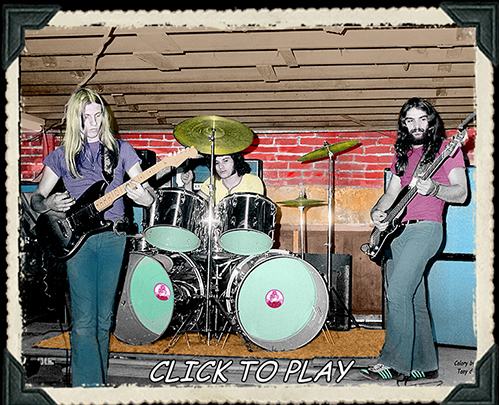
Eighteen months in the basement of the Dess Discount Store in Claymont, Delaware. BANG play 4 gigs playing for themselves and the kids who would be outside hanging around the metal sidewalk doors left open for air.They write a concept album. Tony sees a Rolling Stone headline that gives them their name.
Tony borrows $1,000. BANG rents a U-Haul, load their equipment head to Miami, mailing postcards stamped “Bang Is In Miami.” End up in Orlando looking for a door to knock on. They find it. Tony bangs on a door marked Private, and promoter Rick Bowen answers. He tells him "We’re BANG from Philly and are as good as any f'ing group in the world, and we wanna play". This blows him away. They set up equipment in the parking lot, passed the audition opened for Rod Stewart, Faces, Deep Purple and Matthews Southern Comfort.
Record Death Of A Country at Criteria Studios in Miami and sign to Capitol. Capitol won’t release a concept album as a debut, so label producer Michael Sunday says "I be back in two weeks, write me a new album.They did the BANG album.
The self-titled BANG arrives. “Questions” climbs the Billboard Hot 100 and tops the chart in Hong Kong. They open for their idols Black Sabbath , and on June 7 Capitol throws “BANGday” at the Tower.
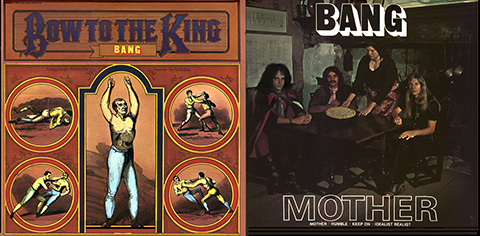
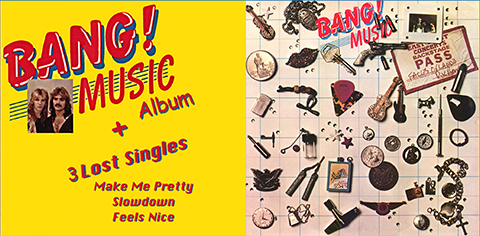
Mother / Bow To The King and Music follow as Capitol’s staff turns over and the pressure to go pop grows. Capitol actually asked BANG to write a song like "I Am Woman" By 1974 the trio is done.
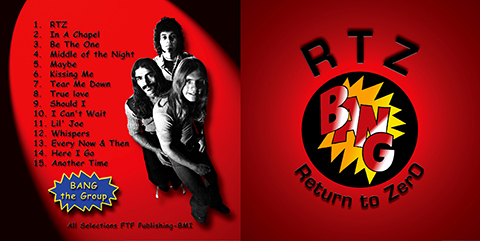
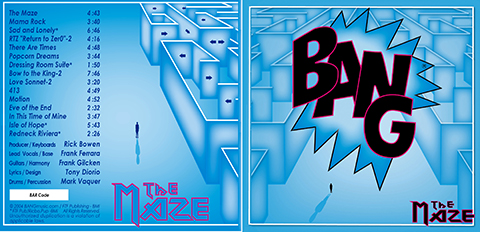
They reunite and record Return To Zero, then The Maze. Death Of A Country finally gets released in 2011. In 2014 they tour with Pentagram’s Bobby Liebling. Another Me arrives in 2023.
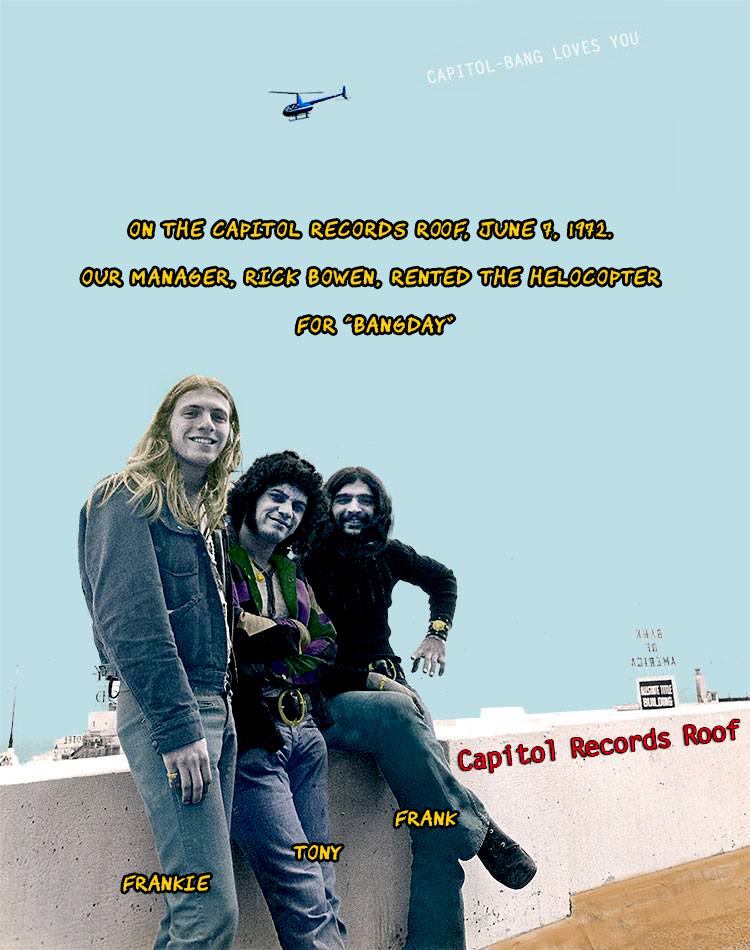
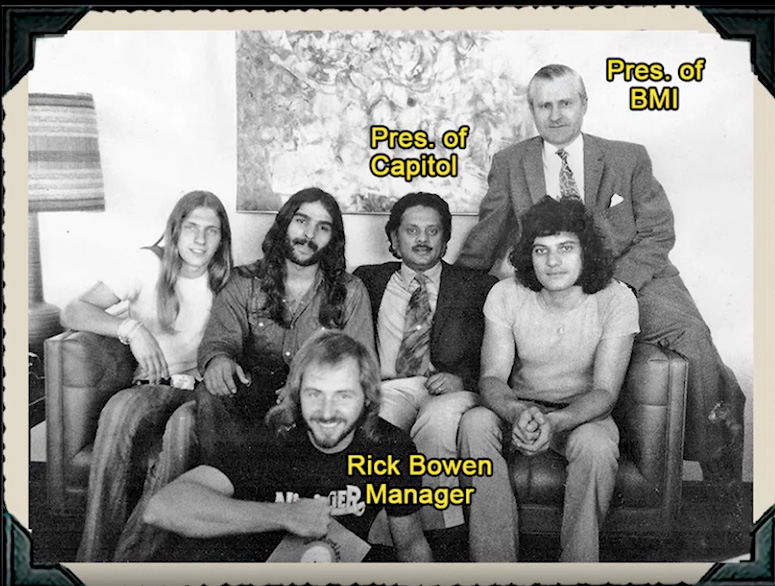
BANGday, June 7, 1972. Manager Rick Bowen rented a helicopter for the afternoon, and Capitol invited its staff up to the roof to meet the band.
Tap a record to see the songs.
The concept album Capitol wouldn’t release. Eighteen months of basement writing, cut at Criteria Studios in 28 hours.
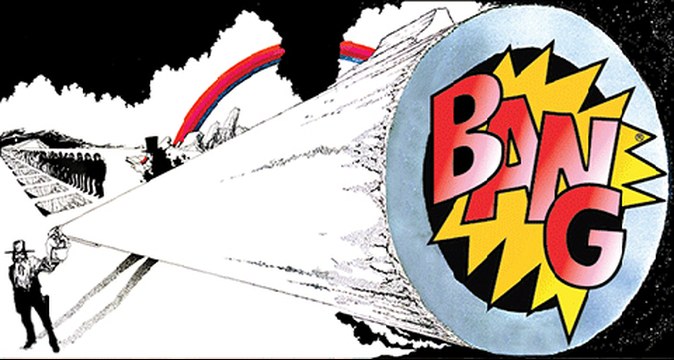
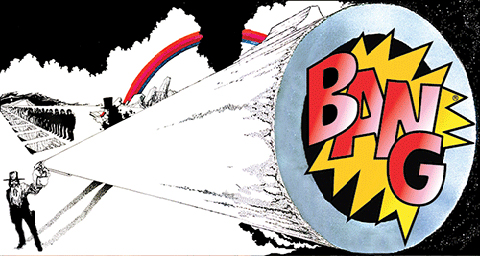
Written in two weeks for producer Michael Sunday. The record that put BANG in the early doom-metal conversation.
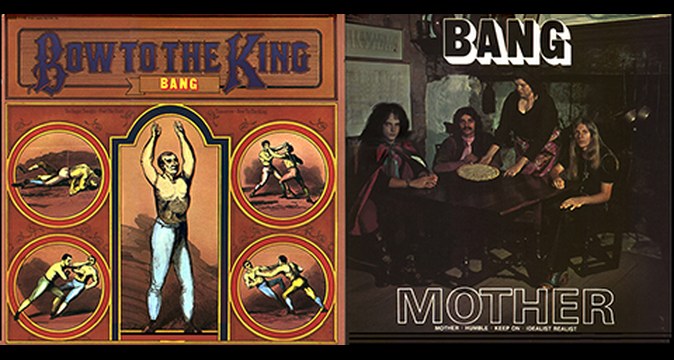
Tony’s tribute to Muhammad Ali was meant to be the band’s “Stairway to Heaven.” Recorded at the Sound Factory in Hollywood.
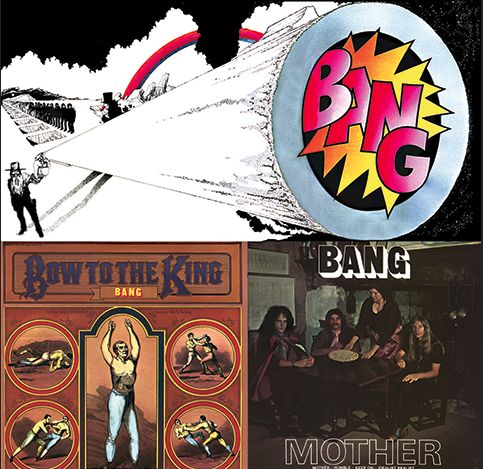
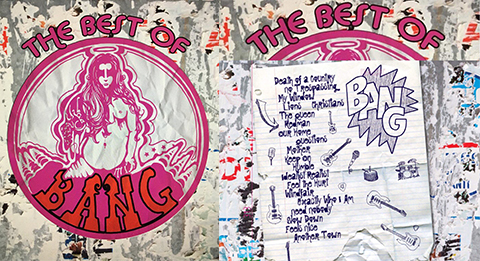
Both records on one disc: the 1971 BANG album and Mother / Bow To The King from 1972.
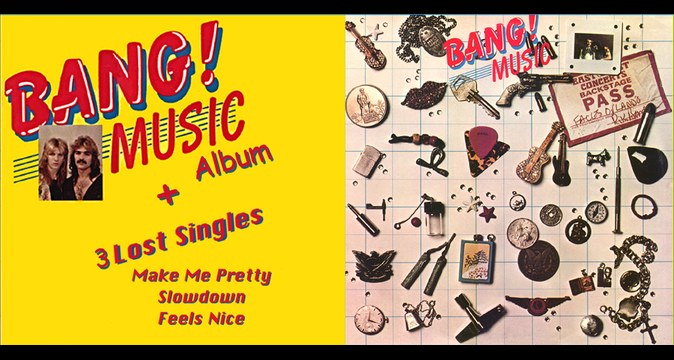
The pop turn Capitol pushed for, with the Raspberries on backing vocals for the commercial single.
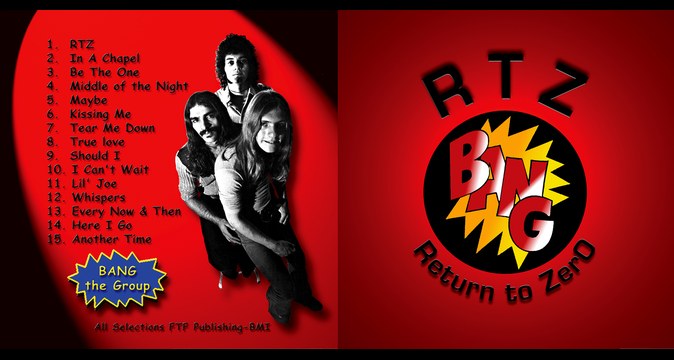
We reunited and recorded on a four-track cassette deck in Frankie’s basement. Sounds good!
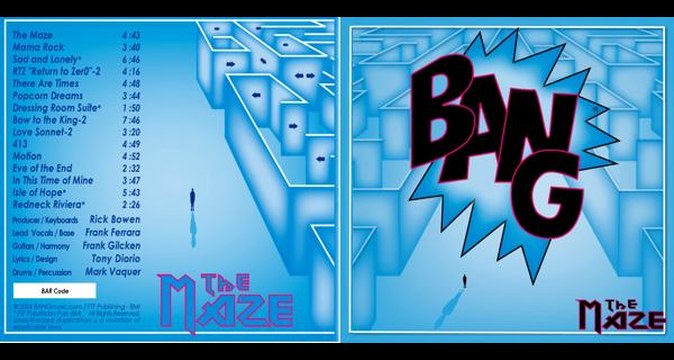
The trio reunited with manager Rick Bowen at his home studio in Savannah, with big productions on reworked songs.
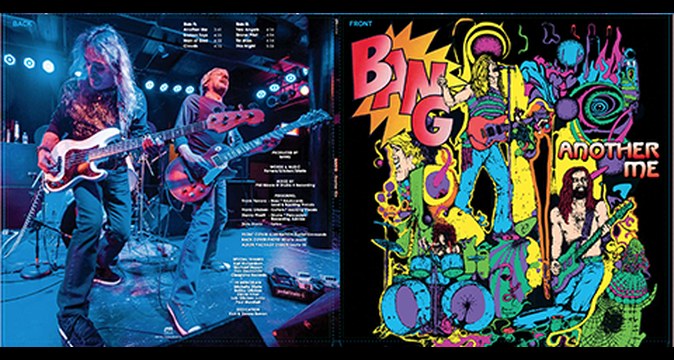
The newest BANG album.
Concert promoters East Coast Concerts and Concerts West put BANG on bills with the biggest names in rock. Fleetwood Mac opened for us. So did Bruce Springsteen.
A scrapbook from the basement to the arenas. Tap any photo to see it larger.

From the Basement to the Bright Lights.
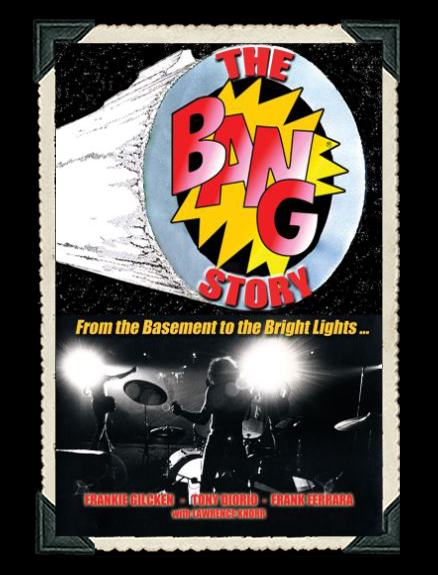
Frankie Gilcken, Tony Diorio and Frank Ferrara tell it themselves, with Lawrence Knorr: the gate-crash in Orlando, the Capitol years, and everything that went sideways.
In the summer of 1971 Tony bangs on a door marked Private in Orlando, and promoter Rick Bowen answers. Within forty-eight hours the basement band is opening for Rod Stewart and Deep Purple. Then came bills with Black Sabbath, Alice Cooper, Fleetwood Mac and Ike & Tina Turner, a Capitol Records deal, and the sessions at Criteria Studios that made the first album.
Often called America’s answer to Black Sabbath, the band released three albums for Capitol in the early ’70s that sank without a trace.